News
Hundreds of Michigan school districts rejected school safety and mental health funding from the state after agreeing to new conditions for receiving the money.
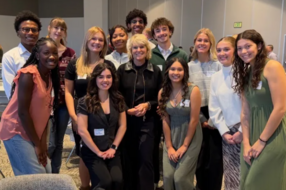
Through presentations of musical talent, artwork, poetry and more, student leaders taught members of the community what student issues and themes are important to them.
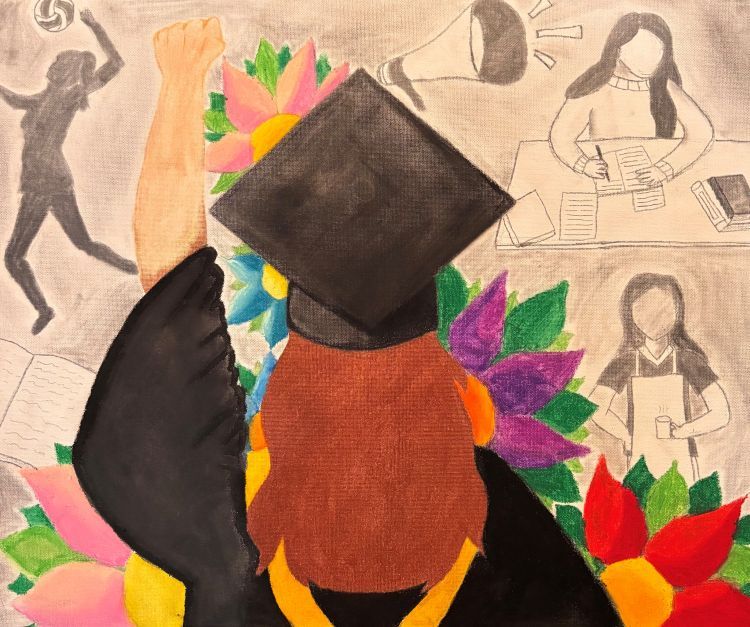
Through video, poetry, art and music, the high-school students used multiple creative mediums to share the challenges and opportunities they’ve experienced at school with an audience of about 300 parents, school leaders and community members at Frederik Meijer Gardens & Sculpture Park.
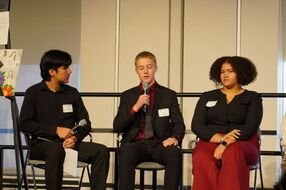
In a reversal of roles, students took the lectern to teach educators lessons about the life of young people.
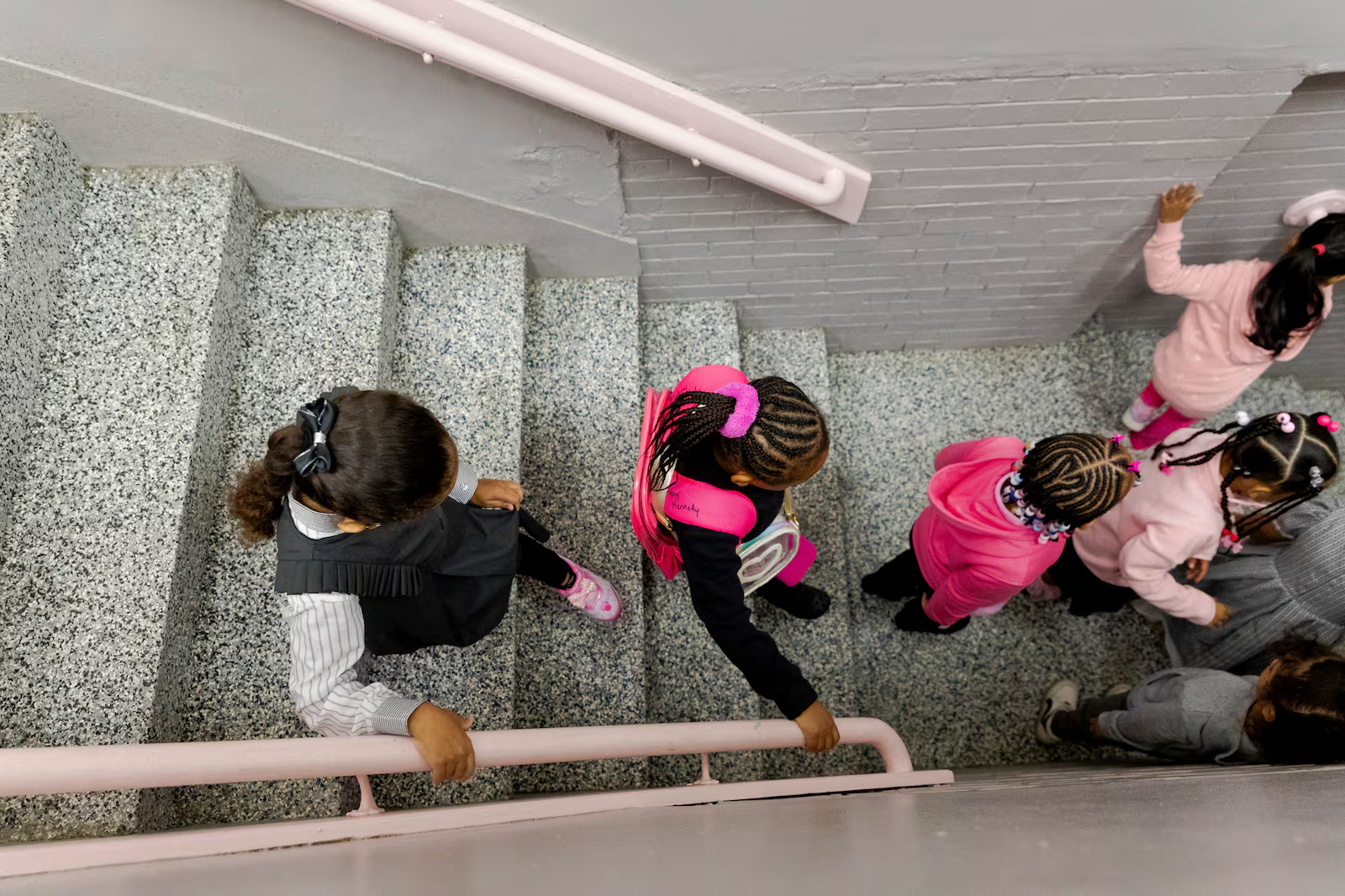
Nearly 28% of Michigan students were chronically absent during the 2024-25 school year, the third consecutive year the rate has dropped.
But the rate is still significantly higher than it was before the pandemic began, when 19.7% of students were chronically absent during the 2018-19 school year, according to data released Wednesday by the state Center for Educational Performance and Information.
Persistent high levels of absenteeism are slowing students’ academic recovery after the disruptions to schooling brought on by the coronavirus disease 2019 (COVID-19) pandemic (Dewey et al., 2025). Even several years after the end of the COVID-19 pandemic, heightened levels of chronic absenteeism continue to be one of district leaders’ top concerns.
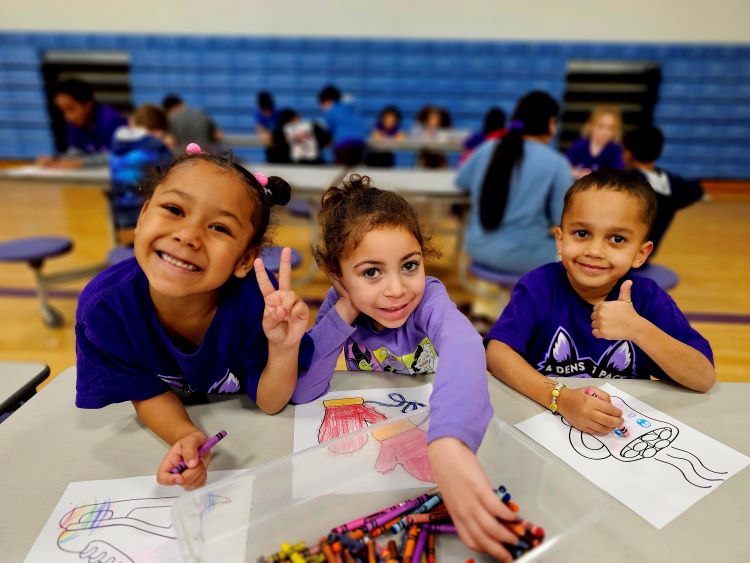
Artistic crests representing wolf dens are everywhere at West Elementary: in school windows, hallways, in the cafeteria, and on T-shirts, banners and artwork.
They symbolize the school’s new den system, with the names Lobos, Mahigan, Tikkani and Obahoshe — all indigenous words for “wolves” — into which the school’s 500 students in grades kindergarten through fourth grade are divided.
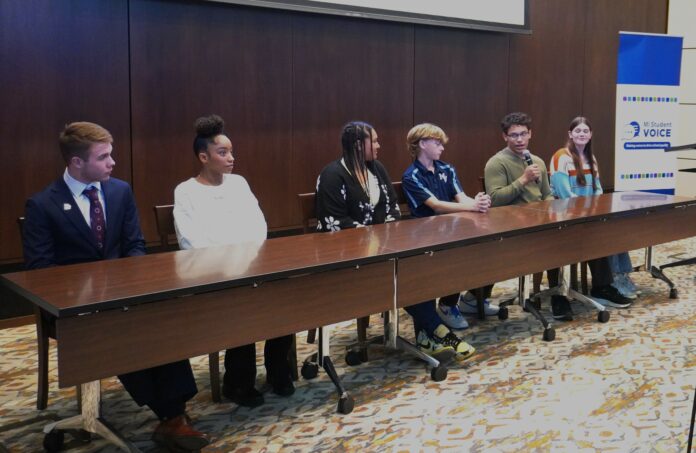
Marlee-Ami Sierz said she knows how difficult it can be to struggle with mental health issues.
The Grand Rapids University Preparatory Academy junior sat on a student panel Tuesday in Lansing titled “Addressing Mental Health Through Authentic Student Voice.” She told educators and legislators what schools can do to reach students like her who may need a kind word, support or just to feel seen.